
For Hospitality Employers
Executive Search and Recruiting for the Gaming Sector
When it comes to Executive Search and Recruitment, the Gaming Industry knows Bentley Price Associates, Inc. is highly-valued and regarded in the business.
Bentley Price Associates, Inc. combines more than four decades of experience in the Hospitality and Gaming Industry.

For Hospitality Job Seekers
Gaming Industry Jobs for Qualified Candidates
Bentley Price Associates, Inc. matches top talent with careers at leading companies in the Gaming/Casino Industry.

On Rizzo’s Radar

Seminole Hard Rock Hotel & Casino Hollywood’s President, Randy Morton, Named “Best of the Best”
Industry leader Randy Morton has been appointed President of Seminole Hard Rock Hotel & Casino Hollywood, where he will oversee operations of...
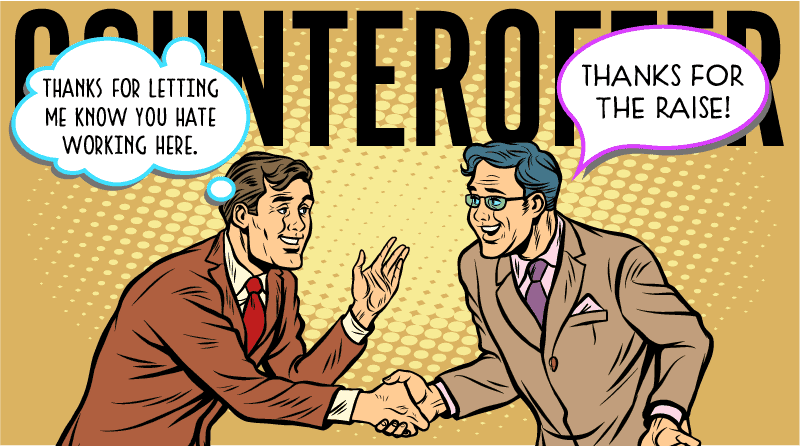
The Counteroffer Conundrum
When you are fortunate enough to have gotten an offer to leave your current job, sometimes you find yourself having to make a tough decision—to...

What Employees Want
You might be surprised to learn that when a valuable talent is on your radar it’s not all about the money. While competitive compensation is a prerequisite, the culture of the organization is every bit as important.
The Best of The Best has expanded.
Now, you can nominate top talent in Operations, HR, and F&B.







Attracting and Retaining Top Talent with Bentley Price Associates, Inc.
You know Bentley Price Associates, Inc. (BPA) as the most trusted source of executive recruitment. We take pride in finding the best candidates for our clients. However, we believe successful recruitment goes beyond just finding talent—it is about creating the right environment to attract and keep them. The war for talent is fierce, and to help you succeed, we have assembled a team of professionals and strategic partnerships dedicated to your success.
John James Brian Parrish Rudy Prieto Darrell Mike David Carroll
“I have worked with Bentley Price Associates for over 4 decades.”
CEO, Navajo Nation Gaming Enterprise

“Bentley Price Associates gets the job done right, and done fast.”
COO for Osage Casinos 
“I trust Bentley Price Associates.”
Former CEO
Desert Diamond Casinos & Entertainment 
“Bentley Price Associates: Elevating Our Leadership Team”
Tribal Chairman 
“Bentley Price Associates is very competitive, professional and on target.”
Former Senior VP Human Resources
Seminole Hard Rock Support Services, LLC
Career Development
The Counteroffer Conundrum
When you are fortunate enough to have gotten an offer to leave your current job, sometimes you find yourself having to make a tough decision—to stay, or to go. In my business as an executive recruiter in the hospitality/casino/hotel/restaurant industry, it is a common...

Keep Your Resume Fresh and Ready
There has never been a better time to stack the odds of premium employment opportunities in your favor. Gone are the days of hotel recruiters and casino recruiters offering jobs at sub-par wages. Today’s employers know they have to offer top-level compensation and...

Take the Call: It Could be The Next Big Opportunity
Finding the best talent in rapid-fire time takes a dedicated team in the professional hospitality recruitment business. That's why as professional hospitality recruiters, growing strong professional relationships with all of our potential candidates is something we...